
Introduction
Do you think every marketer eventually faces this question: What should you do when the economy slows down? Recessions do more than reduce budgets. They reshape consumer behavior, extend B2B sales cycles, and force every marketing dollar to stretch further than before.
The first instinct for many businesses is to panic and bounce back. Yet history shows that companies that stop investing in visibility during downturns often lose ground to competitors who keep showing up. The real decision is not whether to market, but how to market smarter.
Success in a recession is not about luck. It comes from discipline, careful measurement, and the willingness to adapt. Businesses that test, learn, and reallocate budgets with precision outperform those that rely on instinct alone. Recession marketing is about maintaining focus, maximizing ROI, and building resilience.
Why Marketing in a Recession Matters
When sales dip, cutting down the marketing budget seems like the simplest solution. But visibility matters more than ever during a downturn. Consumers still buy; they just choose more carefully. Businesses that remain visible stay in the consideration set, while those that go silent risk being forgotten.
Case studies offer clear lessons. During the Great Depression, Post cut back its advertising. Kellogg’s did the opposite, increasing spending while doubling down on innovation. The result? Kellogg’s surged ahead and became the market leader, a position it still holds today.
It’s about marketing in a recession, which is not about reckless spending. It is about strategic investment. Staying visible, empathetic, and helpful ensures that customers remember your brand when recovery begins and competitors struggle to regain attention.
Core Principles of Recession Marketing
Before diving into specific strategies, it helps to ground your approach in these four guiding principles:
- Efficiency over volume: Focus on channels that prove ROI instead of scattering campaigns across every platform.
- Retention over acquisition: It costs five to seven times more to win a new customer than to retain an existing one.
- Agility: Markets shift quickly during downturns. Be ready to adapt campaigns and messaging.
- Empathy: Customers are navigating their challenges. Speak with understanding, not pressure.
Effective Recession Marketing Strategies
1. Double Down on Customer Retention
As you might be aware already, your existing customers are your most reliable source of revenue during a downturn. Strengthen those relationships by:
- Offering loyalty programs or referral incentives
- Sending personalized check-in emails
- Providing exclusive deals or early access to new features
- Giving subscription customers the option to pause instead of cancel
These simple retention steps could build stability, increase lifetime value, and keep your base engaged even when acquisition slows.
2. Focus on Content Marketing and Thought Leadership
Unlike ads that stop delivering results once budgets are pulled, content marketing compounds over time. Well-planned content continues generating leads, building trust, and improving search visibility long after it is published.
Ways to maximize impact include:
- Creating how-to guides, tutorials, and resource hubs
- Publishing case studies that demonstrate real results
- Sharing educational videos or webinars
- Writing industry insights that position your brand as a trusted voice
This not only drives long-term SEO benefits but also positions your business as a go-to authority when prospects seek guidance.
3. Make Data-Driven Decisions
In uncertain times, instincts are not enough. Data helps you understand what is working and where to cut waste.
Practical steps include:
- Reviewing the past 6-12 months of campaign data
- Pausing or reducing spending on underperforming channels
- Running small A/B tests instead of large, risky experiments
- Prioritizing channels with proven ROI
By keeping decisions rooted in data, you protect your budget and ensure every dollar is accountable.
4. Prioritize Digital Channels
Digital channels are measurable, flexible, and cost-efficient compared to traditional media. They also provide faster feedback, which is critical during uncertain times.
Invest in:
- SEO for long-term organic visibility
- Social media campaigns with precise targeting
- Email marketing, one of the highest-ROI channels available
Offline efforts may still play a role, but digital should be the foundation of your recession marketing strategy.
5. Adjust Messaging to Consumer Needs
How you speak to customers during a downturn often matters more than the sales pitch itself. Customers are not looking for hard sales pushes. They are looking for value, reassurance, and solutions that fit their circumstances.
Practical adjustments include:
- Highlighting cost-effectiveness and practical value
- Framing offerings as solutions to pressing challenges
- Using supportive, empathetic language
Example: Instead of “Buy now, limited stock,” try “We know budgets are tight. Here is a flexible plan to help you move forward with confidence.”
6. Explore Partnerships and Collaborations
Partnerships extend reach without requiring major spending. Look for complementary businesses with shared audiences.
Ideas include:
- Co-hosting educational webinars
- Running cross-promotional campaigns
- Creating bundled service offerings
For example, a fitness trainer could partner with a nutritionist to create a combined package that delivers greater value to both customer bases.
7. Invest in Long-Term Brand Building
Short-term wins matter, but lasting success comes from consistent brand building. During past recessions, giants like Procter & Gamble and Coca-Cola continued advertising and emerged stronger with greater market share.
Smaller brands can follow the same principle by:
- Maintaining consistent messaging across channels
- Building thought leadership through content and events
- Engaging communities through authentic interaction
When the economy bounces back, people remember the brands that showed up and stayed present through the tough times.
8. Offer Flexible Pricing and Value-Driven Deals
Even in recession consumers are still buying; they are just more focused on getting the most value for their money. Show that you understand by offering:
- Bundled packages that increase perceived value
- Entry-level or “lite” versions of products
- Flexible payment plans or subscription models
These options demonstrate empathy and adaptability, strengthening loyalty while still generating revenue.
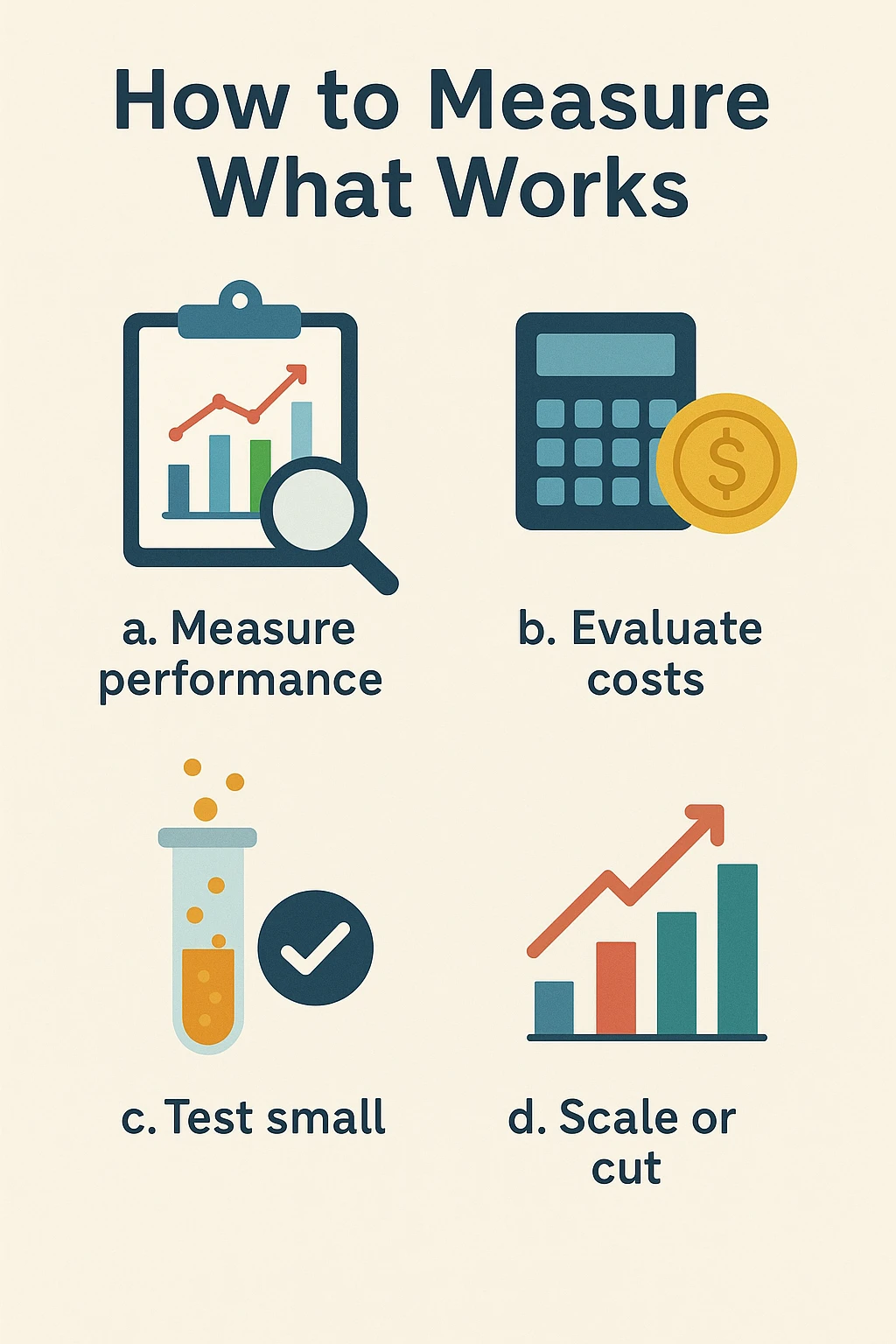
How to Measure What Works
When budgets are tight, ROI becomes the most important metric. To ensure efficiency, follow a disciplined measurement process:
- Measure: Pull six months of campaign data to identify top performers.
- Evaluate costs: Monitor CPCs. Competitor pullbacks may lower prices, creating new opportunities.
- Test small: Allocate 10–15% of the budget to controlled experiments. Try new creatives, retargeting audiences, or emerging platforms.
- Scale or cut: Use clear scorecards. Scale campaigns that outperform by 20% or more; cut the rest.
Tools to Strengthen Marketing Strategy During a Recession
When resources are limited, the right tools make the difference between doing less and achieving more. These platforms help you stay efficient, optimize campaigns, and deliver measurable ROI.
- Valasys Media: AI-powered targeting and account-based marketing to deliver high-quality leads. Verified MQLs help keep your sales pipeline strong when demand softens. Explore Now!
- Adobe Express: Enables fast, cost-effective creative output with branded templates and AI design tools. Ideal for teams that need agility.
- Salesforce Marketing Cloud: Advanced automation for personalized journeys, ROI tracking, and audience segmentation.
- OmniSend: Combines email, SMS, and push notifications in one platform for e-commerce businesses, making retention easier. Read more about this here.
- Mailchimp: A reliable option for SMBs, offering automated campaigns, audience insights, and budget-friendly engagement. Read more about this here.
Examples of Recession Marketing
Looking back at past recessions offers inspiration:
- Kellogg’s vs. Post: As mentioned above in “Why Marketing in a Recession Matters.” Kellogg’s invested in visibility and innovation, while Post pulled back. The result: Kellogg’s emerged as the market leader.
- SaaS companies in recession: Many shifted messaging from premium features to cost-saving solutions, positioning their products as essential rather than optional.
- Retailers in recession: Brands introduced extended return policies, loyalty perks, and bundled deals to retain customer trust and loyalty.
These cases highlight that resilience comes from adaptation, not retreat.
Mid-Blog Checklist Recap
Want a quick guide you can keep on hand? Our Printable Recession Marketing Checklist includes:
- Key principles for efficient spending
- Top retention and content strategies
- Metrics to measure ROI step-by-step
- A framework for testing and scaling campaigns
[Download the Checklist Today] and make every marketing dollar count.
Conclusion
Marketing in a recession is not about blind optimism or reckless spending. It is about discipline, measurement, and smart investment.
Recessions create a divide between businesses that panic and those that adapt. The companies that stay visible, communicate with empathy, and manage resources wisely are the ones that build market share and brand loyalty during recovery.
By focusing on customer retention, content marketing, digital channels, and data-driven decisions, your business can not only survive but thrive. Remember: it is not about spending more; it is about spending smarter.
Stay visible. Provide value. Keep discipline at the heart of your strategy.
For a one-page framework to guide your next campaign, [Recession Marketing Checklist]and turn strategy into action.
FAQ
Q: How do businesses survive in a recession?
A: By cutting unnecessary costs, focusing on core products, and adapting marketing to highlight value.
Q: What not to do during a recession?
A: Avoid halting all marketing, over-leveraging debt, or ignoring shifting customer needs.
Q: How long did the 2008 recession last?
A: It officially lasted from December 2007 to June 2009—about 18 months.
Q: Do billionaires benefit from a recession?
A: Yes, many do; recessions create opportunities to buy undervalued assets and invest in growth sectors.